July 27, 2026
Selecting the right aggregate is one of the most important decisions in any construction or landscaping project, influencing everything from durability and cost to environmental impact. While traditional aggregates remain a trusted industry standard, shell delivery has emerged as a sustainable alternative that offers unique functional and aesthetic benefits in many applications. Understanding how these materials compare can help you choose the option that best aligns with your project's performance requirements, budget, and long-term sustainability goals.
Understand How Shell Delivery Works
Shell delivery refers to the practice of using shells, often derived from marine or freshwater organisms, as a component in construction materials. These shells are processed and delivered to construction sites as an aggregate material, offering a sustainable alternative to traditional materials. They are especially popular in coastal regions where shell waste is abundant, reducing landfill waste and conserving natural resources. Integrating shell delivery into construction projects can meet both structural and environmental needs, offering a compelling case for their use.
The process of shell procurement involves collecting shells from seafood processing waste, which helps optimize the benefits of recycling and reduces environmental pollution. Once collected, shells are crushed into different sizes to meet specific construction requirements such as roadways, pathways, and structural fills. The versatility of shell delivery ensures its applicability in diverse construction contexts, which is essential for adapting to varied project needs. By choosing shell materials, builders can reduce their carbon footprint while benefiting from the material's unique properties.
Sustainability is key in the construction industry, and shell delivery exemplifies an innovative solution to traditional materials. This practice not only diverts significant waste from landfills but also provides a viable supply of durable aggregate. According to Nature Scientific Reports, incorporating approximately 25% shell waste as cement replacement in compressed earth bricks produced a compressive strength of 104.90 kN, which is greater than the Thai Industrial Standard for non-load-bearing bricks, showing that shell waste can be structurally reliable. Such findings highlight the structural integrity and potential of shell waste in modern construction.
Evaluate the Benefits of Traditional Aggregates
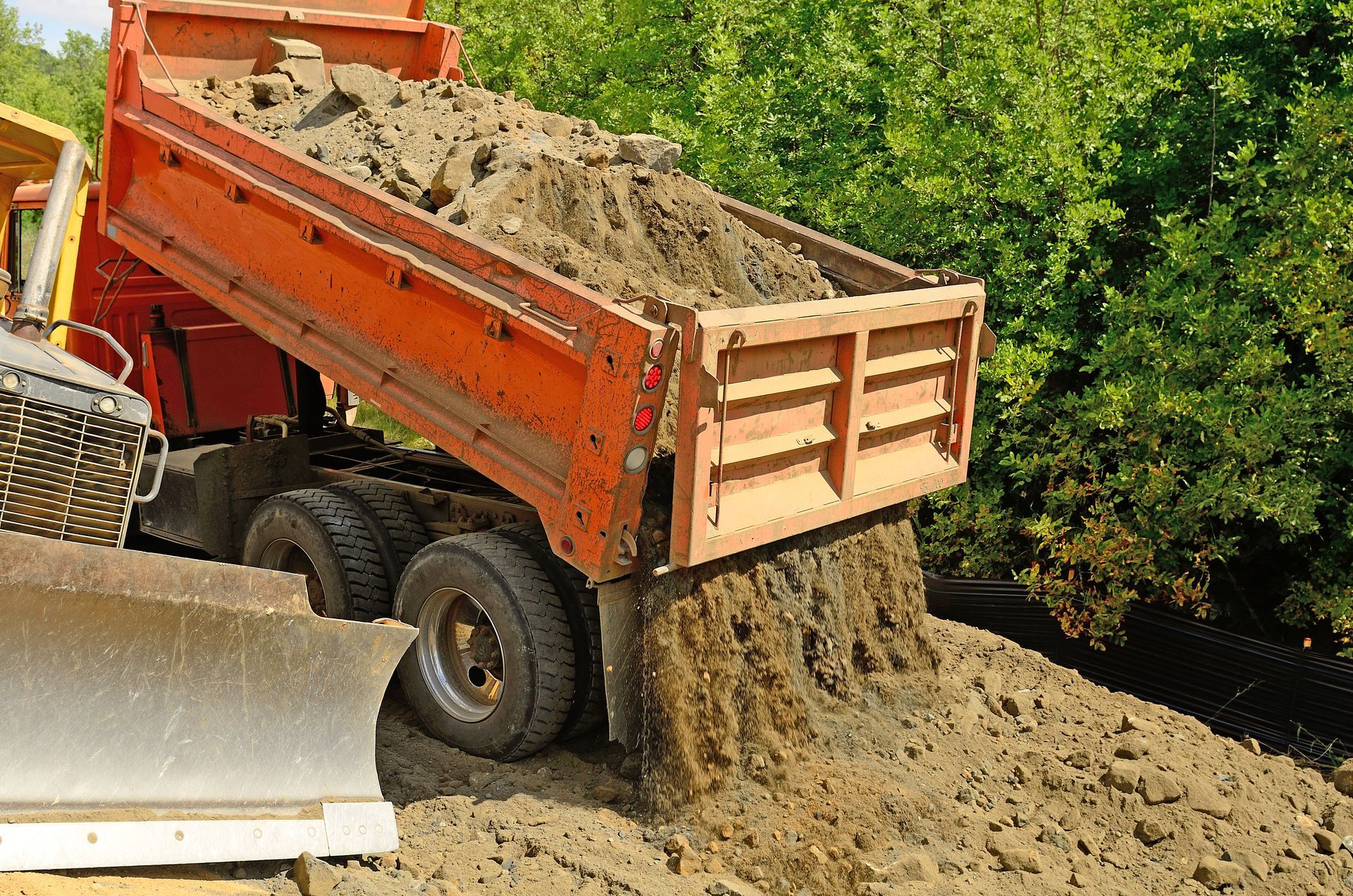
Traditional aggregates consist of materials like sand, gravel, crushed stone, and recycled concrete, which are fundamental in construction applications. They have been the cornerstone of construction due to their availability, cost-effectiveness, and proven performance in diverse structural environments. Traditional aggregates are widely used for their capacity to provide stability and bear loads, making them essential in creating foundations, roadways, and concrete structures. Their longstanding use has been a measure of reliability and efficiency within the construction industry.
Excavation and processing of traditional aggregates generate significant environmental impact, including habitat disruption and greenhouse gas emissions. These factors are driving the search for more sustainable and eco-friendly materials like shell delivery. Despite their environmental footprint, traditional aggregates maintain a stronghold in the industry due to their robustness and structural functionalities. Builders value these materials for their technical properties, including the ability to withstand heavy mechanical stress and wear over time.
The economic benefits of traditional aggregates are undeniable, with widespread availability and the support of established supply chains minimizing cost implications. However, the construction industry's shift towards sustainability calls into question the long-term viability of relying on traditional materials. Project managers must carefully evaluate the environmental impacts alongside economic advantages when choosing between traditional aggregates and shell delivery. This balancing act is crucial in aligning project goals with sustainable development objectives.
Compare Shell Delivery With Traditional Aggregates
The primary difference between shell delivery and traditional aggregates lies in their source materials and environmental impact. Shell delivery utilizes recycled shell waste, significantly reducing the carbon footprint by avoiding the extraction processes associated with traditional aggregates. This not only contributes to sustainability goals but also helps preserve natural landscapes compromised by aggregate extraction. Construction projects utilizing shell delivery can often benefit from incentives and certifications related to environmentally friendly building practices.
In terms of performance, shell delivery materials offer comparable, if not superior, mechanical properties in some applications, as demonstrated by studies such as the 2025 Nature Scientific Reports on Pomacea canaliculata. While traditional aggregates may seem like a safe and familiar choice, shell delivery offers an innovative approach with environmental and structural performance to match. However, regional availability and project-specific requirements may influence the choice between these materials. Proximity to shell sources can dictate cost and suitability, with traditional aggregates possibly fetching higher transport costs if sourced from far.
Considering durability, traditional aggregates may offer familiarity in certain applications, whereas shell delivery introduces a strategic advantage through innovation and environmental responsibility. Project demands will determine which attributes hold more significance, whether it is immediate technical performance or long-term sustainability and cost-effectiveness. Industry professionals should continuously assess regional material developments to ensure that project choices remain aligned with both environmental and infrastructure demands.
Explore Common Applications for Shell Delivery
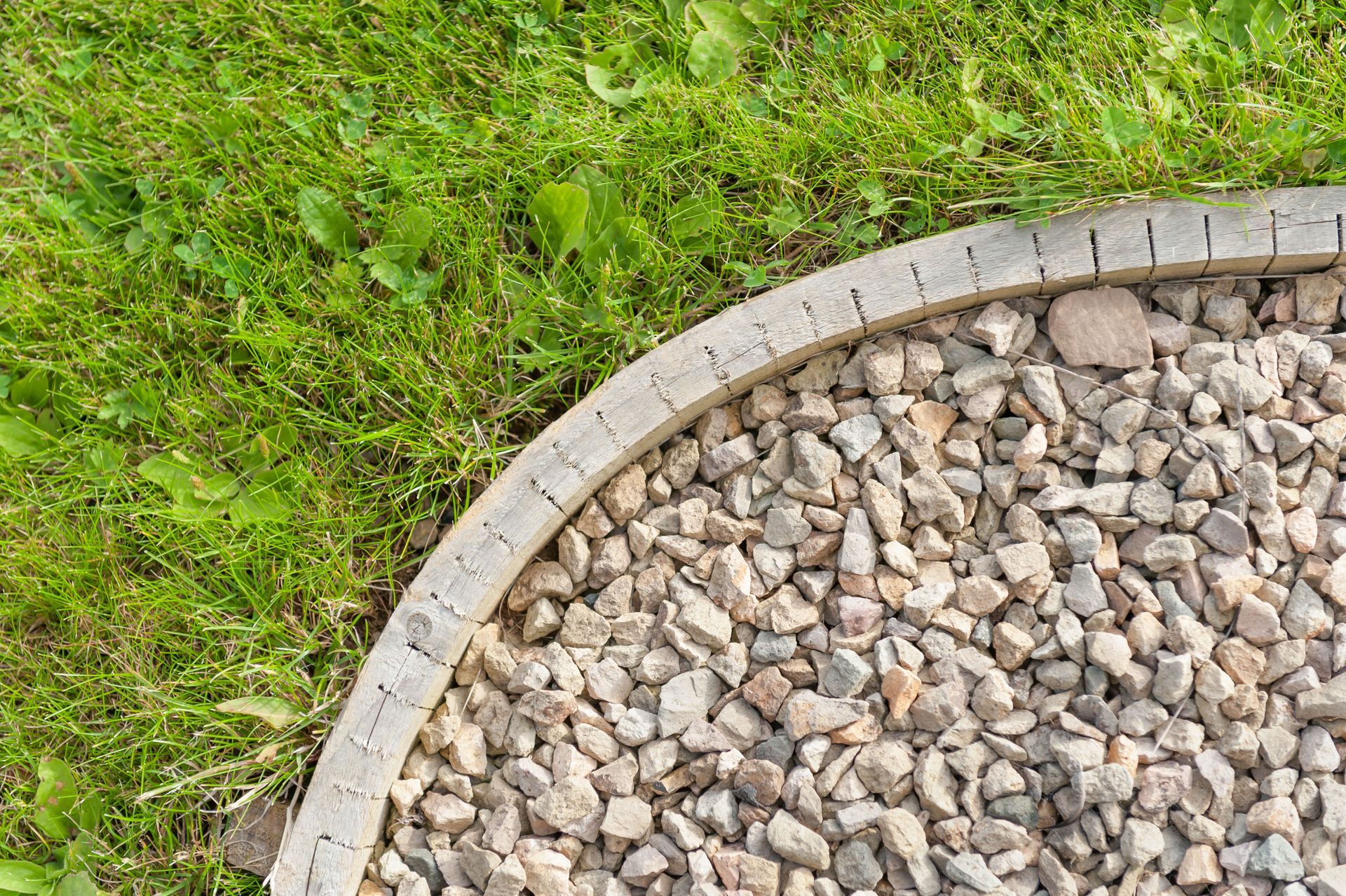
Shell delivery is increasingly utilized in construction applications such as roads, pathways, and structural fills. These uses take advantage of the material's durability and sustainability, offering significant benefits in an array of projects. Parking lots, landscaped areas, and garden footpaths also benefit from the shell delivery aggregate due to its aesthetic appeal and pervious nature, which supports proper drainage. These applications showcase versatility, enabling contractors to thin the boundaries between form and function.
Furthermore, projects in coastal regions frequently employ shell delivery to blend seamlessly with the natural environment, reducing visible environmental impacts. The local sourcing of shells minimizes transportation costs, which contributes to the economic feasibility of projects in these areas. In local communities where shell resources are abundant, using shell delivery becomes an integral part of regional sustainability practices. This is not only beneficial for the construction industry but also for the circular economy, emphasizing reuse and resource conservation.
The growth in environmental construction practices drives shell delivery usage, encouraging further research into its potential. Innovative research, like the 2025 study on using shell waste as a cement replacement in bricks, underscores the untapped potential of shell delivery for non-load-bearing structures. These findings prompt interest in further expanding shell's applications and integrating new technologies that bolster its use. As demand grows, shell delivery can spearhead new trends in sustainable construction, aligning with future ecological and regulatory requirements.
Examine Where Traditional Aggregates Perform Best
Traditional aggregates, due to their well-established performance and dependability, are widely used in constructing roads, bridges, and foundations. Their role in forming the underlying base and support layers renders them indispensable in major infrastructural developments across the globe. They provide the durable structure needed for high-traffic areas like highways, ensuring safety and stability for vehicular loads. The versatility of traditional aggregates also extends into other critical forms such as asphalt and concrete mixtures.
In urban development and commercial projects, traditional aggregates present an ideal choice for constructing durable walkways, skyscraper foundations, and industrial parks. The reliability of traditional aggregates has been a driver for their continued use, with extensive data supporting their mechanical integrity and load-bearing capabilities. These materials can be finely engineered to meet specific project requirements, ranging from strategic textures to chemical compositions that address environmental exposure. The adaptability of traditional aggregates ensures they remain staples in diverse building environments.
Choosing between shell delivery and traditional aggregates ultimately depends on your project's specific goals, site conditions, and performance needs. Shell delivery offers an environmentally responsible option that transforms recycled shell waste into a practical construction material, while traditional aggregates continue to provide the strength, consistency, and versatility required for countless infrastructure projects. By weighing factors such as durability, availability, cost, and sustainability, you can make an informed decision that supports both the success of your project and responsible resource management. Reach out to Salvatore Trucking to learn more about our services today.