July 21, 2026
Planning an outdoor renovation requires careful preparation and accurate measurements. When you decide to upgrade your property, figuring out exactly how much stone or aggregate you need keeps your project moving along smoothly without unexpected interruptions. Ordering the incorrect amount of material can easily throw a wrench into your work schedule or inflate your overall budget.
Choosing the right type of stone depends heavily on how you intend to use the space on your property. For example, thin, smooth pebbles work beautifully for a garden path where people walk, while heavy crushed limestone is much better suited for supporting a vehicle. Working with an experienced hauling company for a straightforward gravel delivery ensures that you get the raw materials dropped off exactly where you need them on your timeline.
Choosing Your Ideal Material Type
Before you can calculate the weight or volume of your order, you must select the specific material that matches your project goals. Crushed stone offers excellent stability because the jagged edges lock together tightly under pressure, making it a reliable choice for areas that handle vehicle traffic. On the other hand, pea gravel features smooth, rounded edges that feel much more comfortable underfoot, making it perfect for backyard seating areas or pet runs. River rock provides a larger, more decorative look that guides water away from foundations while adding immediate visual texture to your open landscape beds.
Understanding Basic Unit Conversions
Stone materials are typically sold and transported by weight, which is measured in tons, rather than by flat square footage. This difference can sometimes confuse people who are accustomed to measuring their yard using a standard tape measure. To bridge this gap, you need to understand how a specific weight of material translates into physical coverage on the ground.
According to Country Living, one ton of gravel covers approximately 12 square meters. This conversion rule gives you a practical baseline for your calculations, allowing you to easily transform your flat surface measurements into a reliable total weight estimate.
Measuring the Space for Material Placement
Accurately determining the physical size of your project area is the most critical step in the entire calculation process. To find the basic square footage, you simply multiply the total length of the area by its total width. If your project features an irregular or winding layout, you can simplify the task by breaking the space down into smaller, standard shapes like squares and rectangles. Measuring each section individually and adding those totals together gives you a precise calculation of the complete space.
Taking the time to double-check your initial measurements prevents costly mistakes on the day of your gravel delivery. It is always wise to write down every dimension clearly on a notepad so you can reference the figures when placing your order. Having accurate physical dimensions ensures that you order a sufficient amount of stone without overpaying for extra material that you do not actually need.
Calculating the Right Project Depth
The intended use of your outdoor space determines how deep your stone layer needs to be. A thin layer of material will quickly shift out of place, exposing the bare dirt or weed barrier beneath it. Conversely, spreading the stone too thick can create a spongy, unstable surface that is difficult to walk across or drive over comfortably. In our experience, a depth between two and four inches provides the ideal balance of coverage and stability.
Accounting for Unique Property Boundaries
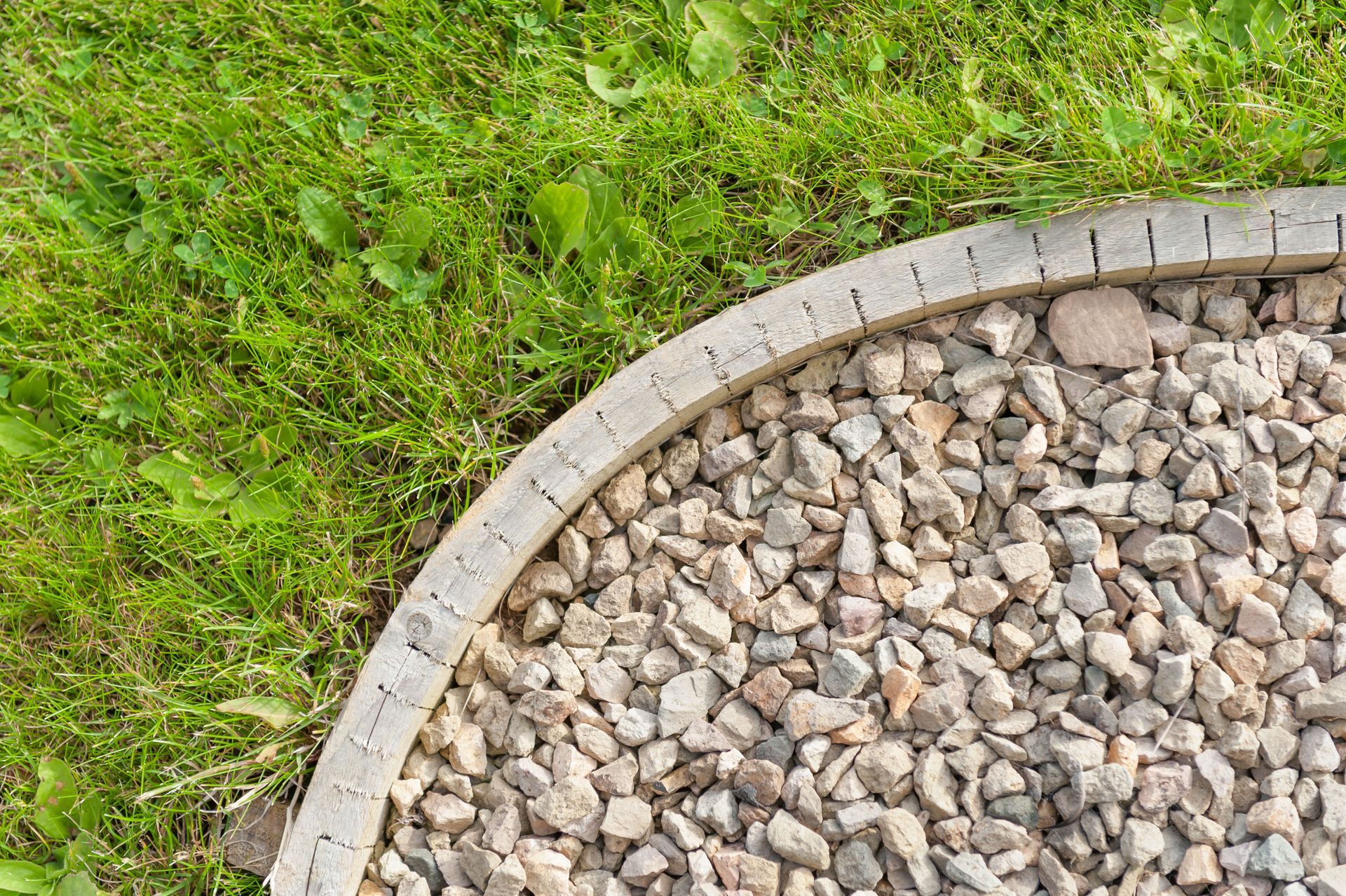
The natural slope and shape of your yard can influence the total volume of material your project requires. Incline areas often experience minor stone displacement over time due to gravity, meaning you might need a slightly thicker base layer to ensure a completely uniform appearance. Installing a sturdy border or stone edging along the perimeter of your project keeps the aggregate neatly contained within your designated boundaries, preventing it from spilling over into your grass.
Estimating Needs for Specific Project Types
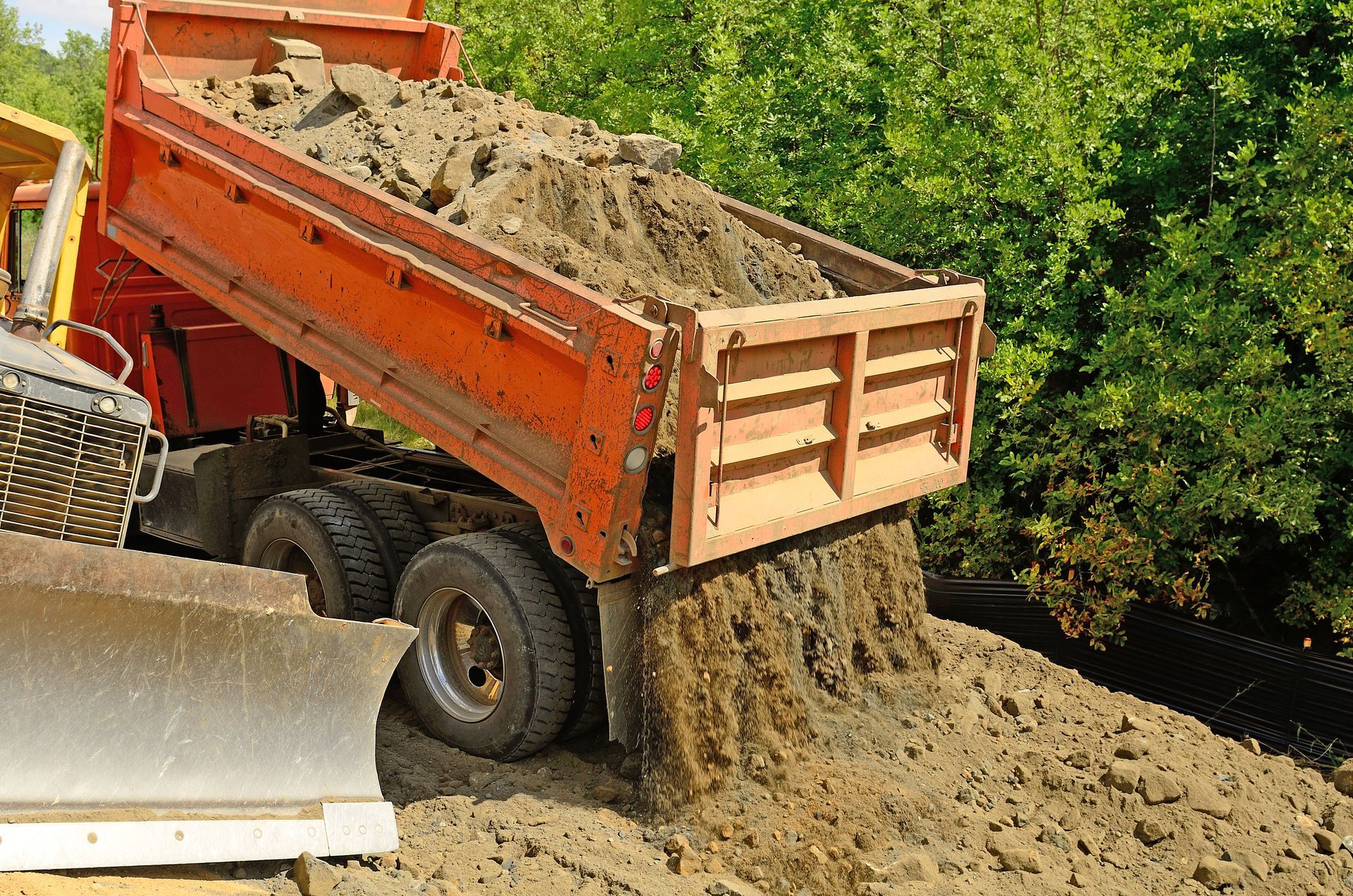
Driveways require a much more robust foundation than standard footpaths because they must support the weight of heavy personal vehicles day after day. To create a stable surface that resists rutting and settling, you typically need to excavate the area and lay down a deeper base layer of large crushed stone. Scheduling your gravel delivery with a company that utilizes heavy-duty dump trucks allows the material to be dropped directly onto your prepared driveway site.
Building Pathways for Comfortable Walking
Creating a winding walkway through your backyard focuses more on personal comfort and visual appeal than heavy-weight capacity. Because footpaths only handle light foot traffic, they do not require a massive structural base layer. Choosing a smaller stone size ensures the surface remains stable underfoot, preventing your feet from sinking into the pathway as you walk across the yard.
Enhancing Open Yards for Landscape Design
Utilizing stone as a decorative ground cover in garden beds is an excellent alternative to using traditional wood mulch. Stone does not decompose over time, meaning you will not have to replace it every single spring to keep your property looking neat. Measuring around existing trees and flower beds carefully ensures you order the perfect amount of stone for your gravel delivery to complement your plantings.
Planning Your Materials Budget and Logistics
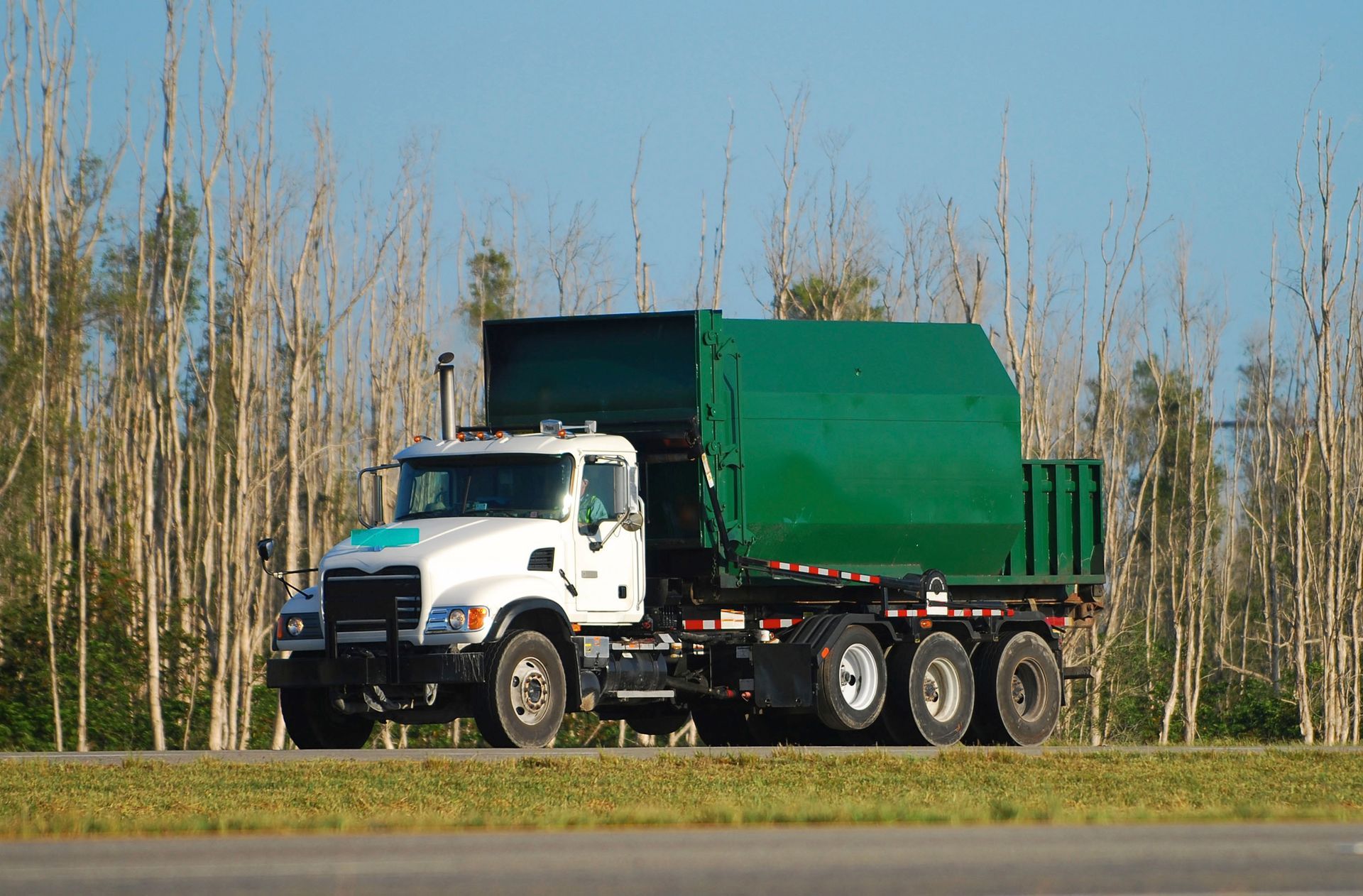
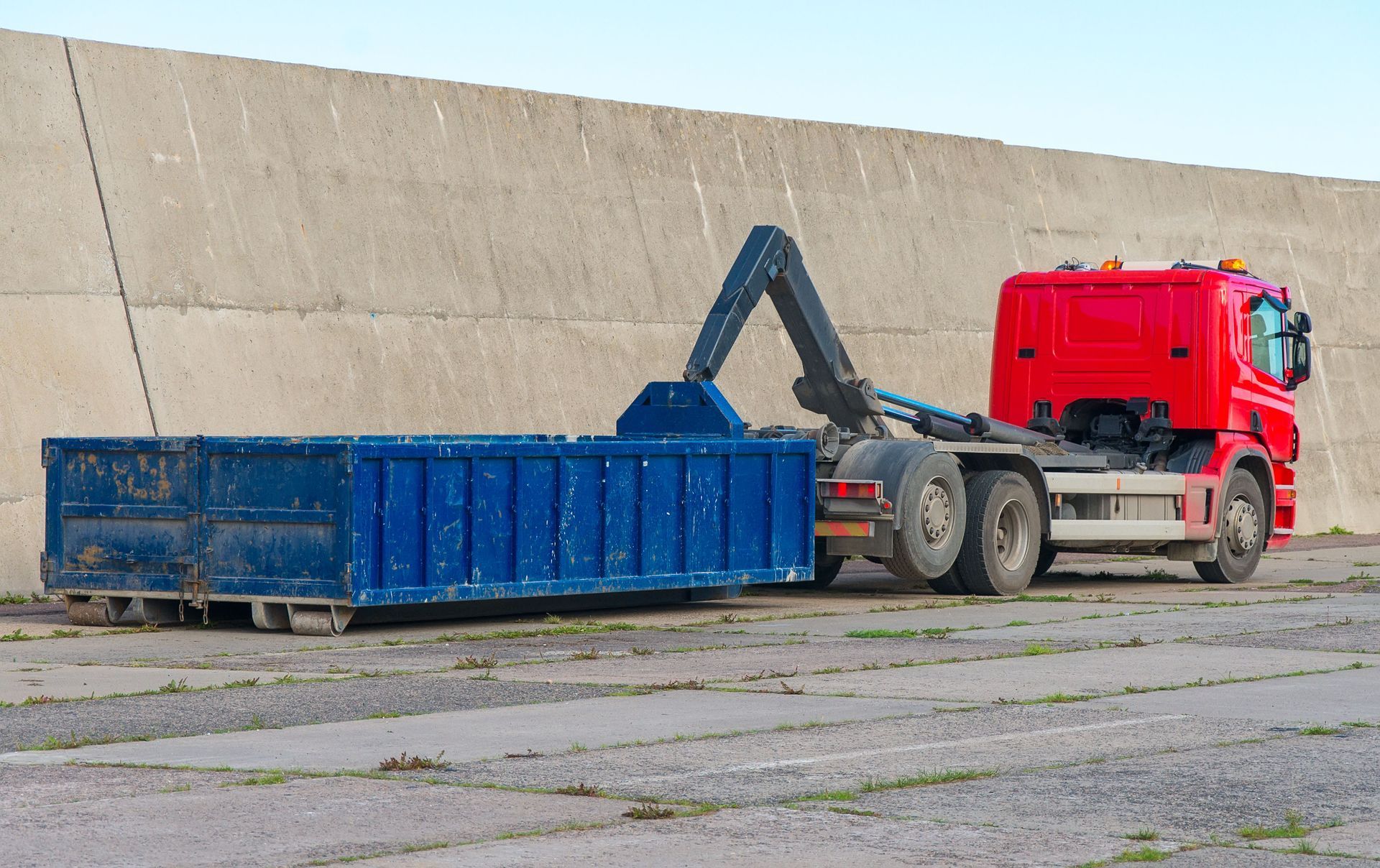
When planning your project budget, it is important to remember that the total cost involves more than just the price of the raw stone. Hauling heavy aggregate requires specialized commercial dump trucks and experienced drivers to navigate residential streets safely. The distance between the material supply yard and your home plays a major role in determining your final transportation expenses. Combining all your material needs into a single, large gravel delivery is often much more economical than scheduling multiple small trips over several weeks.
Comparing Aggregate Suppliers in Your Area
Shopping around and comparing options among local material yards helps you find fair, competitive pricing for your renovation. A reputable supplier will provide clear, upfront quotes based on the total weight or volume your project requires. They will also discuss their delivery parameters openly, explaining how their trucks operate and where they can safely drop the stone on your property. Gathering these details ahead of time allows you to manage your budget effectively without experiencing unexpected surcharges later on.
Managing Common Field Challenges and Safety
Moving tons of aggregate around your property involves a significant amount of physical labor. To protect yourself from muscle strain or accidental injury, it is essential to use the proper tools and wear appropriate safety equipment. Heavy leather gloves shield your hands from blisters, while sturdy, closed-toe boots protect your feet when working around large stone piles. Using a square-point shovel makes it much easier to scoop material off your driveway, and a heavy-duty steel rake helps you spread the stone evenly across your project area.
Taking the time to accurately estimate your outdoor material needs ensures a stress-free and successful property upgrade. From measuring the exact boundaries of a new backyard path to calculating the necessary depth for a heavy-duty driveway foundation, proper preparation eliminates guesswork from the ordering process.
When you are ready to move forward with your landscaping or driveway project, partnering with an experienced hauling service simplifies your logistics completely. Having a dedicated team bring your aggregate directly to your site saves you time and protects your vehicles from unnecessary wear and tear. To finalize your material calculations and arrange a professional gravel delivery for your property, contact Salvatore Trucking today to discuss your project needs.