October 29, 2026
The architectural landscape is experiencing a transformative shift as sustainable materials become increasingly important in modern construction. Seashell materials offer unique opportunities for environmentally conscious design, while a reliable dump truck service supports their transportation to construction sites. By connecting recycled resources with architectural needs, transportation providers help contractors incorporate alternative materials into projects efficiently. This combination supports creative design, responsible resource management, and practical construction solutions. Seashells provide distinctive textures, natural colors, and calcium carbonate content that make them useful for various architectural applications. Their incorporation into building materials can reduce waste and support circular construction practices. However, successful implementation requires appropriate processing, quality testing, and dependable transportation. Understanding these considerations allows architects and contractors to explore sustainable alternatives while maintaining project efficiency.
Understanding the Composition of Seashell Materials
Seashells consist primarily of calcium carbonate, a naturally occurring compound that contributes to their hardness and distinctive structure. This composition makes processed shells potentially useful in construction products, including decorative aggregates, paving materials, and certain concrete mixtures. Their physical characteristics vary depending on shell species, processing methods, and intended applications.
Before incorporation into construction materials, seashells generally undergo cleaning, crushing, and grading. These procedures remove unwanted contaminants and produce particles suitable for specific applications. Proper processing helps manufacturers maintain consistent material quality while addressing potential concerns involving salt content, particle size, and compatibility with other construction components.
Architects interested in incorporating seashell materials should evaluate their performance against established construction standards. While their natural composition offers promising possibilities, suitability depends on engineering requirements and the characteristics of the finished product. Careful testing helps determine whether these materials are appropriate for decorative, nonstructural, or specialized structural applications.
Exploring Durability and Aesthetic Appeal
Seashell materials offer visual characteristics that distinguish them from conventional construction products. Their natural shades range from soft whites and creams to subtle pinks, grays, and earth tones. These variations allow designers to create surfaces that complement coastal architecture, contemporary interiors, and environmentally inspired landscapes.
Crushed shells can contribute interesting textures to decorative concrete, terrazzo flooring, wall finishes, and exterior features. When incorporated into properly designed mixtures, they can create attractive surfaces with distinctive patterns. Their durability depends on the surrounding materials, installation methods, environmental exposure, and ongoing maintenance.
Designers can also combine seashell aggregates with other recycled materials to develop customized finishes. This flexibility encourages architectural creativity without relying exclusively on newly extracted decorative resources. Selecting appropriate finishes and protective treatments can help preserve their appearance throughout regular use.
Supporting Environmental Sustainability Through Recycling
Recycling discarded seashells provides opportunities to reduce waste generated by seafood processing operations and other commercial activities. Instead of sending suitable shell waste to disposal facilities, processors can prepare it for beneficial construction applications. This approach supports circular economy principles by extending the usefulness of existing resources.
In certain applications, processed seashells may partially replace conventional aggregates or other mineral ingredients. However, the environmental benefits depend on processing energy, transportation distances, replacement quantities, and overall material performance. Evaluating these factors helps construction professionals determine whether a particular application provides meaningful sustainability advantages.
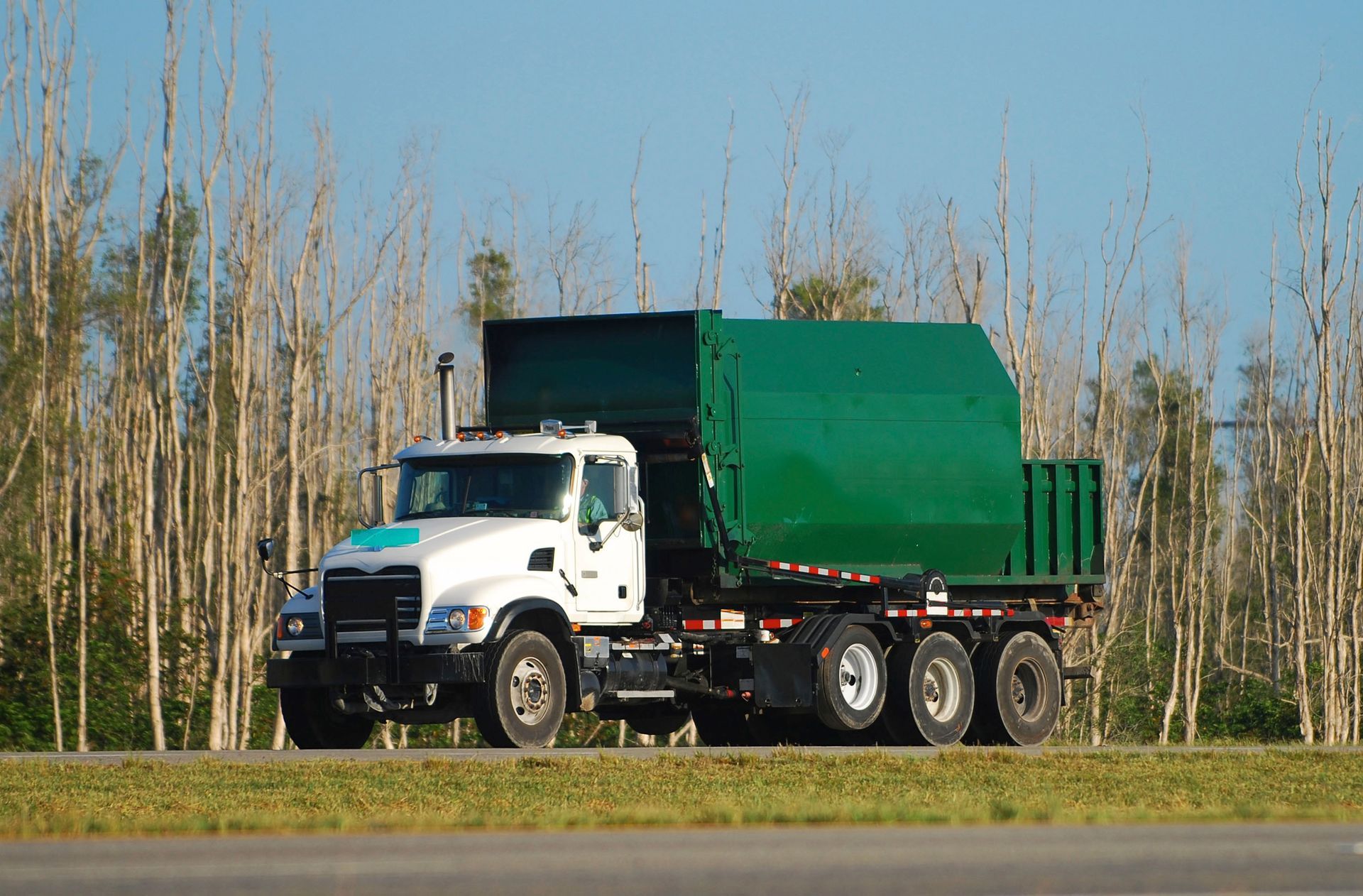
A dependable dump truck service contributes to these efforts by transporting bulk shell materials between processing facilities, storage locations, and construction sites. Coordinated deliveries can reduce unnecessary vehicle trips and improve material availability. Responsible sourcing is equally important because collecting living shells or disturbing sensitive coastal habitats can create environmental harm.
Improving Construction Efficiency With Bulk Transportation
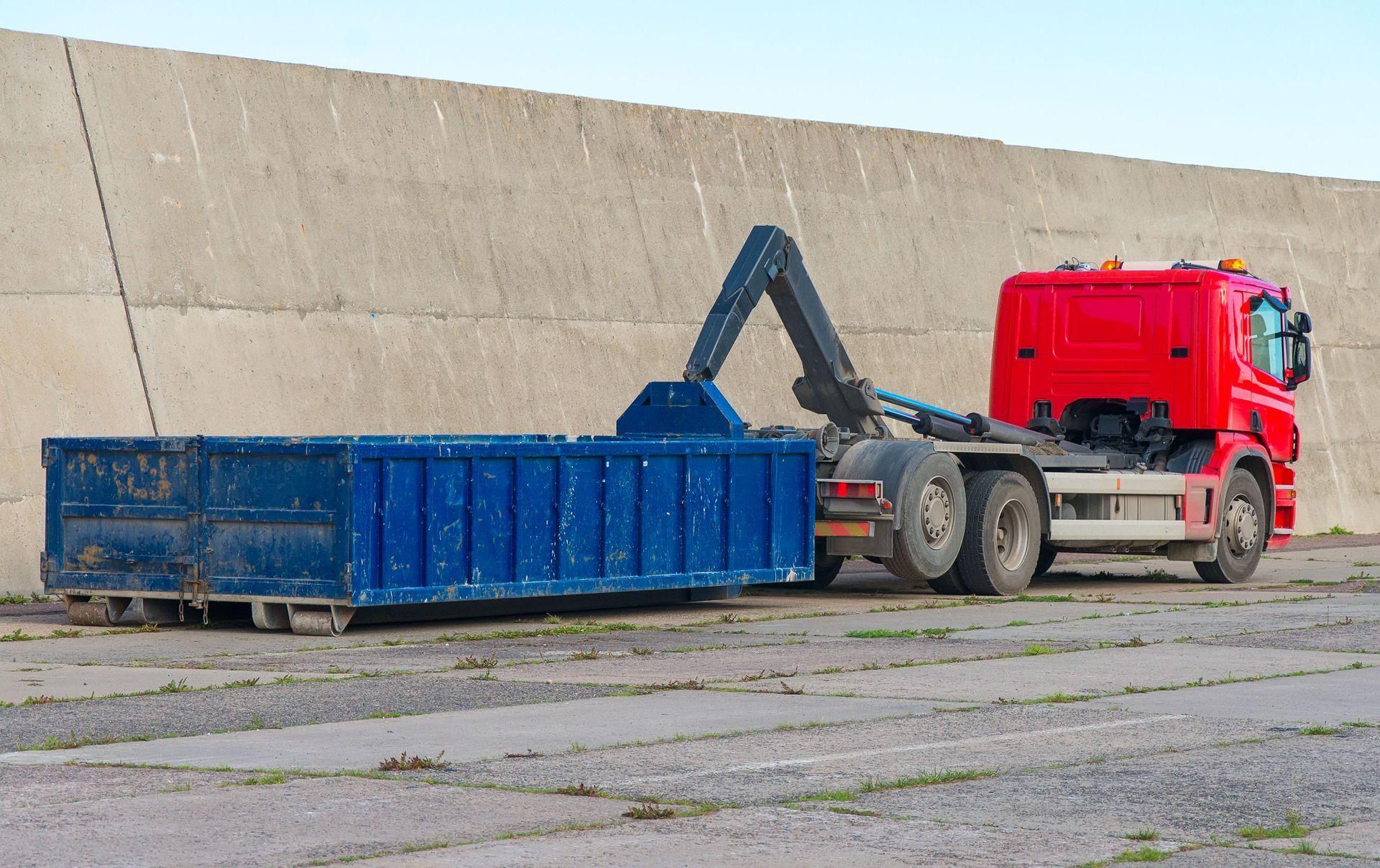
Transporting large quantities of crushed seashells requires equipment capable of handling loose aggregate materials safely. Dump trucks provide practical solutions through their substantial hauling capacity and unloading capabilities. These features help construction teams receive materials in quantities appropriate for project requirements.
Using a professional dump truck service allows contractors to coordinate deliveries with excavation, grading, landscaping, and material installation activities. Proper scheduling reduces unnecessary storage requirements and helps prevent interruptions caused by material shortages. Transportation providers can also coordinate with suppliers to determine suitable loading quantities and delivery arrangements.
Efficient bulk transportation supports financial planning by reducing unnecessary handling and helping crews maintain consistent productivity. Project managers should consider hauling distances, vehicle capacities, access restrictions, and unloading conditions when estimating transportation expenses. Clear communication between suppliers and construction teams improves scheduling accuracy.
Managing Transportation Challenges at Different Project Sites
Construction locations present different transportation challenges depending on surrounding infrastructure and geographical conditions. Urban projects may involve narrow streets, traffic restrictions, limited unloading areas, and designated delivery hours. These factors require careful route planning and coordination with site supervisors.
Remote construction sites can present additional difficulties involving unpaved roads, steep terrain, and extended travel distances. Choosing an appropriate dump truck service helps contractors address these challenges through suitable vehicles and experienced operators. Site assessments can identify potential obstacles before transportation begins.
Weather conditions also influence delivery planning. Heavy rainfall may create unstable access roads, while strong winds can complicate the handling of lightweight or finely crushed materials. Proper load containment and appropriate unloading procedures help protect workers, surrounding properties, and transported materials.
Incorporating Seashell Materials Into Exterior Architecture
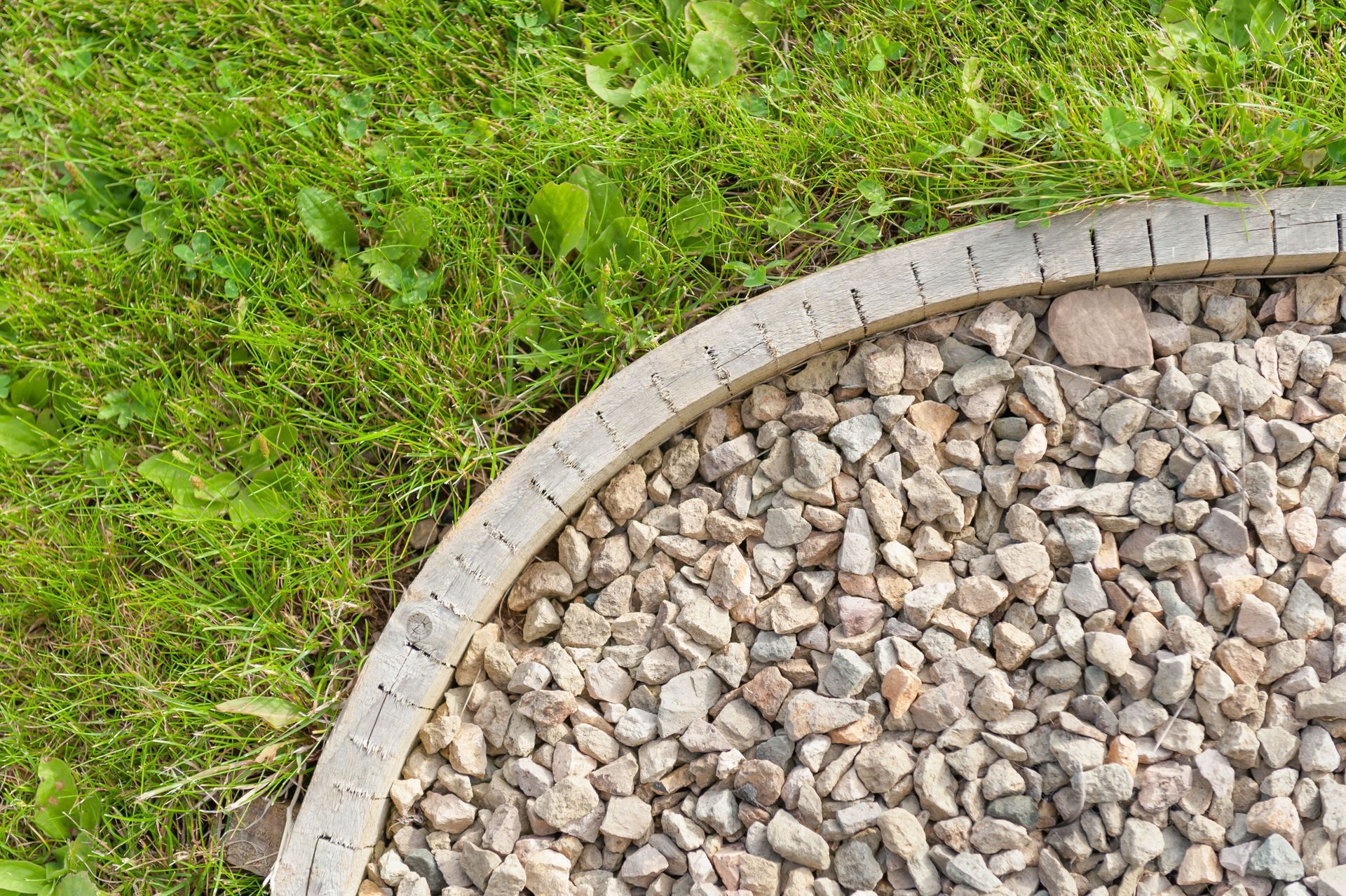
Seashell aggregates provide opportunities to introduce natural textures into exterior architectural features. Designers may incorporate processed shells into decorative concrete, architectural panels, pathways, and selected façade finishes. These applications create visual connections between constructed environments and surrounding natural landscapes.
Coastal-inspired buildings can benefit from the subtle colors and organic patterns of shell-based finishes. Decorative surfaces may reflect regional character while allowing architects to experiment with distinctive material combinations. Appropriate binders and installation methods are necessary to maintain performance under changing weather conditions.
Exterior applications must also account for moisture exposure, freeze-thaw cycles, abrasion, and maintenance requirements. Material testing and manufacturer recommendations help determine whether a proposed finish is suitable for the intended environment. Thoughtful planning supports attractive designs without sacrificing practical performance.
Enhancing Interior Spaces With Natural Textures
Interior designers can use processed seashells to create decorative flooring, countertops, wall treatments, and customized architectural accents. Their natural color variations contribute warmth and visual interest to residential and commercial spaces. Shell aggregates embedded in terrazzo or resin-based finishes can produce distinctive patterns that complement contemporary design preferences.
These applications also offer opportunities to communicate environmental responsibility through visible recycled materials. Designers can select shell sizes and combinations that coordinate with existing furnishings, lighting, and architectural details. The resulting finishes may provide a subtle coastal appearance or serve as prominent decorative features.
Performance depends on the finished surface system rather than the shells alone. Proper sealing, cleaning procedures, and installation techniques help maintain appearance and usability. Contractors should select products appropriate for expected foot traffic, moisture conditions, and maintenance capabilities.
Advancing Seashell Processing and Material Technology
Modern processing techniques continue expanding potential applications for recycled seashells. Crushing equipment, screening systems, and cleaning technologies allow manufacturers to produce materials with more consistent particle sizes and reduced contamination. These improvements make shell-derived products easier to evaluate for construction use.
Researchers are also investigating how processed shells perform as partial replacements for conventional ingredients in cementitious mixtures. Results depend on particle characteristics, replacement percentages, and mixture design. Some formulations may provide useful performance, while others require adjustments to maintain strength and durability.
Choosing an efficient dump truck service can strengthen this supply chain by supporting dependable deliveries and organized material handling. By combining thoughtful architectural design, appropriate material testing, and coordinated logistics, construction professionals can explore seashell-based solutions that contribute to more resource-conscious building practices. Contact our team at Salvatore Trucking today and learn more about our dump truck services.